How attention, specificity, and restraint create a true sense of place
The most memorable resort experiences feel inseparable from the places that hold them.
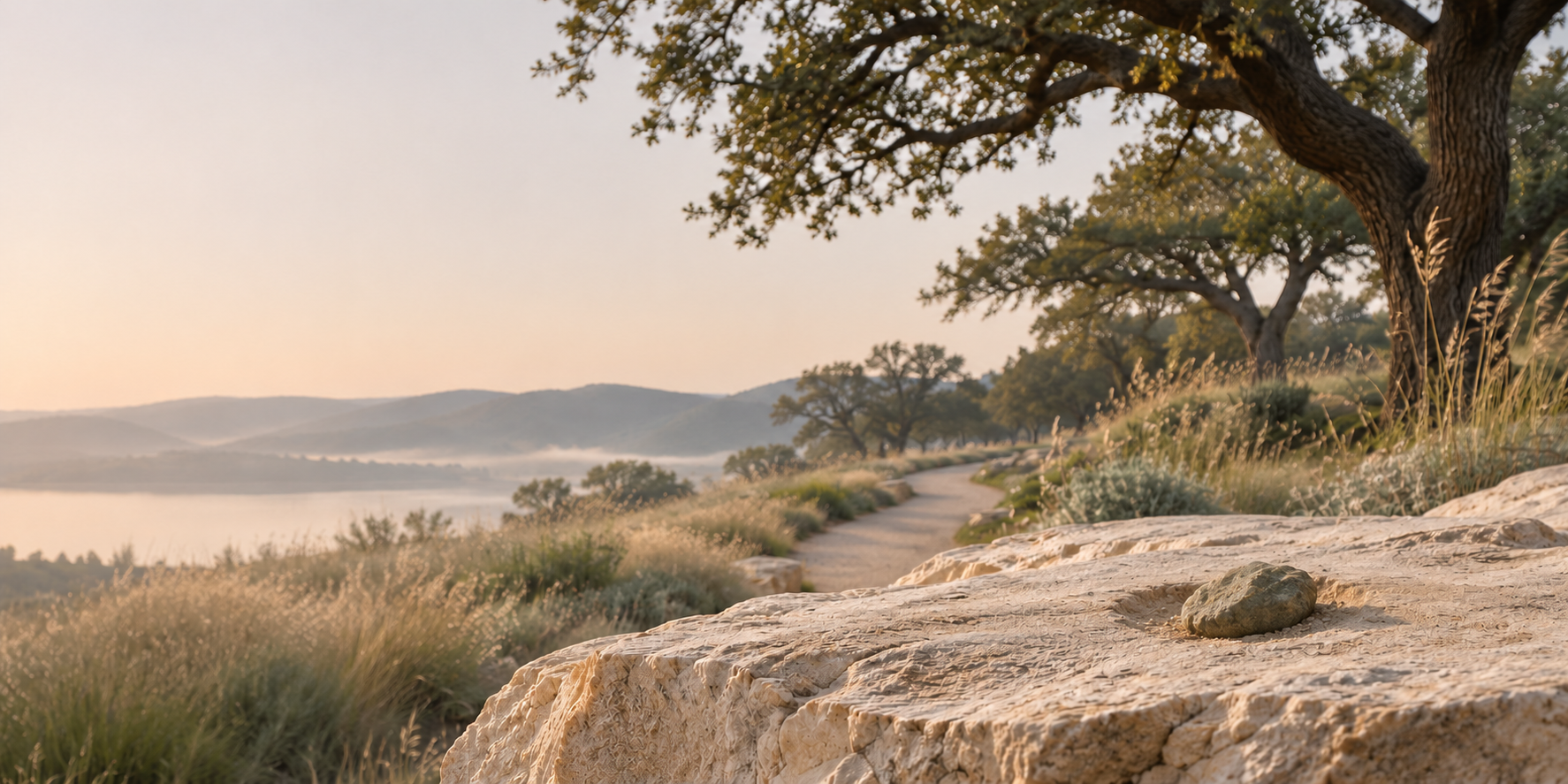
The light belongs to that particular hillside. The scent in the air comes from the plants growing just beyond the path. The sound of water, the shape of the horizon, and the texture beneath a guest’s feet could exist only there.
Yet many wellness offerings can be lifted from one property and placed inside another without meaningfully changing.
The treatment menu may reflect the region, but the moments surrounding it often feel familiar. The meditation could be heard anywhere. The sound experience could take place in any room. The walking path may be lovely, but nothing helps the guest enter into a deeper relationship with the land around it.
The opportunity for hospitality is larger.
A property can offer an experience that grows directly from its landscape, history, rhythm, and way of caring for guests. When that happens, the setting becomes part of the experience itself. The guest remembers more than what they did. They remember where they were, what they noticed, and how the place made the moment possible.
This is what I mean by a sense of place.
The National Park Service describes place through the distinctive human and natural characteristics, history, and meaning held within a particular location. It is a useful reminder that a place is more than scenery. It is a living combination of land, people, memory, and experience.
It is also the thread connecting everything I create through The Art of Ceremony—from a gemstone worn close to the body to a sound-led ceremony encountered beside water, beneath a tree, or along a quiet path.
What a Stone Taught Me About Place
I began making jewelry when I was fifteen.
Long before I had language for a creative philosophy, I was learning how much could be discovered through attention.
A natural stone arrives with its own history. Pressure, heat, minerals, movement, geography, and time have already shaped it. It carries color, weight, markings, inclusions, and irregularities that cannot be fully repeated.
When I select a gemstone, I am drawn to more than its technical category. I notice how it holds light. I turn it in my hand. I look at where the color deepens, where it becomes translucent, and where a natural inclusion changes the surface.
Those details determine what happens next.
One stone may need the quietness of a fine gold chain. Another can hold the movement of several strands. A carved tourmaline may need space around it. A group of turquoise beads may find its rhythm through careful graduation and the slight movement created by hand knotting.
The strongest design allows the stone’s individual character to remain visible.
Over time, I began to understand that this way of working extended far beyond jewelry. Attention was becoming a method.
The material was teaching me how to respond.
Begin With the Real Moment
When I began creating guided meditations and sound-led experiences, I carried that same attention into the work.
Before writing, I try to understand the actual moment in which someone will encounter the experience.
A guest who has just arrived after a day of travel may still feel the movement of airports, highways, decisions, and schedules. Their body has entered the room, but their attention may not have arrived with it.
A guest preparing for a treatment is standing at a different threshold. Conversation and movement are giving way to quiet and touch.
After a treatment, the transition changes again. The guest may need time to gather the experience before returning to the rest of the day.
At night, the emotional shape is different still. The room is quieter. The body is tired. Thoughts may continue moving even after the day has ended.
Each of these moments asks for its own language, pacing, sound, and amount of silence.
A meditation written for arrival should understand arrival. A ceremony created for integration should allow something to settle. A nighttime experience should respect the vulnerability and privacy of that hour.
Specificity creates trust. The guest senses when an experience understands where they are.
The same is true of place.
The Land Is Part of the Creative Team
When I create a Ceremonial Trail™ for a resort, retreat, or private estate, I do not arrive with five completed ceremonies and search for attractive places to install them.
I walk.
I notice where guests naturally slow down and where they move quickly. I listen for water, wind, birds, distant activity, and the quieter sounds beneath them. I watch how the light changes across the day and how the temperature shifts between open and sheltered places.
I pay attention to the locations people instinctively move toward.
There may be a tree beneath which conversations become quieter. A bend in a path where the landscape suddenly opens. A place where water can be heard before it can be seen. A garden that feels different in the morning than it does late in the day.
Some locations reveal themselves immediately. Others require time.
The property team becomes essential to this process. They understand what cannot be learned during a brief visit: how the seasons alter the land, which paths become wet, where maintenance sounds travel, which histories require care, and how guests already move through the property.
Their knowledge shapes the work alongside what I observe.
The land, the people who care for it, and the guest experience begin to speak to one another. From that conversation, the Trail emerges.
The Location Determines the Ceremony
A Ceremonial Trail™ is typically built around five carefully selected places.
At each location, the guest pauses for an original sound-led ceremony created for that exact setting. The five stops also belong to one larger emotional journey, allowing the experience to deepen as the guest moves through the property.
One place may invite orientation: an opportunity to arrive more fully and become aware of the surrounding landscape.
Another may ask for stillness.
A location beside water may create space for reflection and movement. An old tree may hold questions of time, continuity, or shelter. A wide view may change the scale of what the guest has been carrying.
These are possibilities rather than formulas. The land determines what belongs.
A ceremony created among desert stone should carry a different rhythm from one written beside a lake. A shaded woodland asks something different from an open coastline. History changes the language. Weather changes the pacing. The way a guest approaches and leaves a location changes the structure of the experience.
My standard for the work is simple:
If the experience could be moved to another property without changing, it is not finished.
Place-specific work requires more than changing a name or adding a local reference. The property must be present inside the experience.
Operational Reality Is Part of the Design
A meaningful guest experience must also work within the life of the property.
The most poetic location may sit beside a maintenance route. A quiet overlook may become uncomfortable at a particular time of day. A garden may be accessible in one season and difficult in another. A path that feels simple to one guest may require an alternative for someone with limited mobility.
These realities do not interrupt the creative process. They help define it.
A Trail must consider safety, accessibility, weather, maintenance, guest movement, privacy, technology, and the daily work of the staff. It should feel natural within the property rather than becoming another complicated program for the team to manage.
Once launched, the experience is self-guided. Guests enter it privately, using discreet markers, a digital map, and their own phones. They can begin when it fits naturally into their stay. A staff member does not need to lead the walk, and the guest does not need to join a scheduled class.
The structure is light because the thinking happened earlier.
Careful design allows the final experience to feel simple.
Restraint Creates Room for the Place
Hospitality often asks what else can be added.
Another amenity. Another activity. Another layer of explanation.
But attention sometimes leads toward restraint.
A landscape may already contain the most powerful part of the experience. The work is to help the guest become available to it.
That may mean allowing more silence within a composition. It may mean using fewer words. It may mean choosing a marker that sits quietly within the environment or leaving a view entirely unobstructed.
It may also mean accepting that a location does not need a ceremony at all.
The goal is not to fill the land with content. It is to create a thoughtful structure through which the guest can encounter what is already there.
For me, this is part of luxury.
Luxury can be felt in the precision of what has been chosen and the confidence to leave space around it. It appears when every element has a reason to be present.
A natural stone does not need to be made perfect before it can become precious. A landscape does not need to be controlled before it can become meaningful. A guest does not need to be told what to feel before an experience can matter.
The work can offer attention without prescribing an outcome.
What a Guest Carries Home
Guests rarely remember every detail of a stay.
They remember particular moments.
The first breath when they entered the room. The way the air felt during an early walk. A conversation beside the fire. The sound of water from a path they almost did not take. A place where they stopped moving for a few minutes and noticed something they would normally have passed.
These moments become part of how a property lives in memory.
A Ceremonial Trail™ creates conditions for that kind of remembering. It gives guests a reason to move slowly enough to form a relationship with the land. It allows them to encounter the property beyond its architecture, amenities, and schedule.
The experience may be private, but it strengthens the identity of the property.
The guest can leave with a clearer sense of where they have been because the experience could only have happened there.
From Stone to Landscape
A gemstone and a landscape are different in scale, but they ask the same thing of me.
Attention before decision.
Relationship before interpretation.
Enough patience to recognize what is already present.
In the studio, I hold a stone and allow its color, weight, and character to change the design.
On a property, I walk the land and allow its rhythm, history, sound, and movement to change the ceremony.
In both, the work becomes stronger when the first idea remains willing to evolve.
This is how The Art of Ceremony creates across Adornment, Earth, and Experience. The form changes, but the practice remains: notice carefully, respond specifically, refine with restraint, and create something that belongs.
A true sense of place cannot be added as a finishing detail.
It begins at the beginning—with the willingness to listen long enough for the place itself to enter the work.
Create an Experience That Belongs to the Land
The Art of Ceremony creates place-specific Ceremonial Trails™ and sound-led experiences for luxury resorts, retreats, wellness properties, and private estates.
Each commission begins with the landscape and becomes an experience guests could encounter nowhere else.